
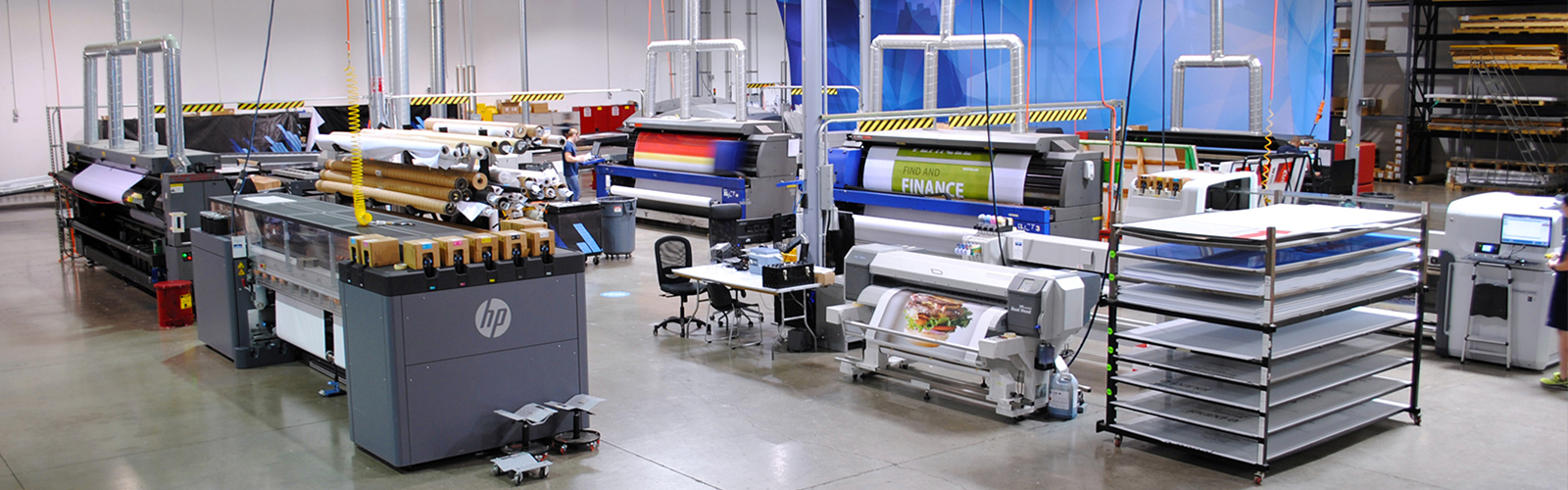

If you have ever wondered why a printer, jewellery shop, or family doctor hands you a free calendar every December, you are not alone. It is one of the oldest advertising habits still alive today—older than radio, television, and the internet. For companies considering calendar printing in Coimbatore, its long history explains why the format still earns a visible place in homes and offices.
The Origin of the Promotional Calendar
The idea of giving away a printed calendar as advertising traces back to the United States in the late 1880s and early 1890s. Jasper Meek, a newspaper printer in Coshocton, Ohio, was looking for ways to keep his presses running during quiet periods. He partnered with a local shoe shop to print the store name on cloth bags given to customers. The idea worked, and printers in the town soon produced branded calendars, rulers, and other useful objects. Coshocton later became known as the birthplace of the promotional products industry.
Around the same time, newspaper owners Thomas D. Murphy and Edward Burke Osborne in Red Oak, Iowa, printed a painting of their courthouse on cardboard, placed advertisements around it, and attached a calendar pad. These “art calendars” became enormously popular, and by the mid-1890s the two businesses were producing millions for companies across the country.
What separated calendars from disposable advertising was simple: people kept them. While single-use flyers and pamphlets may be read once, a calendar stays on a desk or wall in front of the same customer for twelve months. That distinction has helped calendar advertising survive for more than 130 years.
The Golden Age: Calendars Become Advertising Art
By the start of the twentieth century, businesses understood that a calendar people genuinely enjoyed looking at would remain on display longer. This insight began the golden age of calendar advertising, illustrated especially well by Coca-Cola.
Coca-Cola issued its first advertising calendar in 1891, shortly after Asa Griggs Candler took control of the company and began experimenting with calendars, posters, playing cards, and fans. The company commissioned prominent illustrators and used recurring calendar models, including singer Hilda Clark in the 1890s. This helped establish a consistent brand face long before the idea became a standard marketing practice. Decades later, Coca-Cola’s Santa Claus calendar artwork also influenced the popular image of Santa seen around the world.
Railway companies, hardware brands, fishing-tackle manufacturers, and many other businesses followed. Their shared principle was straightforward: give people something worth keeping, and the advertiser’s name remains visible with it every day.
Calendars in India: A Much Older Tradition
India already had a deep relationship with printed calendars through the Panchangam. Long before calendars were used for commercial branding, households and temples relied on almanacs for festivals, auspicious dates, and astrological information. When offset printing became widely accessible during the twentieth century, Indian businesses combined the Western branded giveaway with a calendar that was already functionally important to everyday life.
That is why many Indian promotional calendars still include deity images, Panchangam information, or festival markings alongside a company logo. The result is a distinctly Indian interpretation of the promotional calendar: useful, culturally familiar, decorative, and branded at the same time.
Tamil Nadu’s Role: The Sivakasi Connection
Tamil Nadu holds a significant place in this story. Sivakasi grew during the twentieth century into one of India’s largest printing centres alongside its match and firecracker industries. Its dry climate suited paper storage and large-scale production, while a dense network of printers and suppliers developed specialist expertise. This regional foundation is one reason calendar and diary printing remains accessible and competitively priced across Tamil Nadu, including Coimbatore.
How the Corporate Calendar Took Shape in Independent India
As Indian businesses expanded after independence, the calendar became part of the year-end rhythm of festival greetings and client gifts. Textile mills, jewellers, banks, and cooperative societies commissioned branded corporate calendars, often distributing them around Deepavali so they would be displayed before the new year began.
Over time, a unique corporate-gifting format emerged: one printed product combining company branding, festival information, Panchangam-style dates, and sometimes devotional art. It brought several traditions together while giving businesses an unusually long advertising window.
Why Giving Away Calendars Still Works Today
The technology around calendars has changed, but the principle has not. Something useful placed in a visible location is viewed repeatedly without demanding attention from the customer.
- Repeat exposure: a wall or desk calendar may be viewed dozens of times each month.
- It earns its place: when a useful calendar is displayed, the brand gains visible space for a full year.
- It cannot be skipped: a physical calendar is not blocked, muted, or scrolled past.
- It reaches private spaces: calendars enter homes, offices, shop counters, cabins, and reception areas.
- It feels like a gift: recipients often associate a useful calendar with goodwill rather than interruption.
The Kinds of Calendars Businesses Give Away
Businesses can now choose wall calendars for broad visibility, desk calendars for offices and decision-makers, devotional and Panchangam calendars for culturally relevant household use, diary-calendar combinations for corporate gifting, and photo and personalised calendars built around a company’s own products, people, or brand story.
The Bottom Line
From an Ohio printer trying to keep his presses active, to Coca-Cola’s illustrated advertising, India’s Panchangam tradition, and Sivakasi’s large-scale printing industry, the printed calendar has achieved something few advertising formats ever do: it has remained useful and welcome for well over a century. Businesses across Coimbatore continue the same basic practice—print something people want to keep, place the brand on it, and let it advertise quietly all year.
Frequently Asked Questions
When did businesses start giving away calendars as advertising?
The practice developed in the United States during the late 1880s and early 1890s. Jasper Meek produced useful branded products in Coshocton, Ohio, while Thomas D. Murphy and Edward Burke Osborne developed early art calendars in Red Oak, Iowa.
What role did Coca-Cola play in calendar advertising history?
Coca-Cola used advertising calendars from 1891 and commissioned illustrators for decades, helping turn the functional calendar into a recognisable form of advertising art.
Why do calendars work so well as marketing tools?
They are useful and remain visible. A calendar placed on a wall or desk creates repeated brand impressions for months without additional advertising spend.
How is the Indian calendar-giving tradition different?
Indian promotional calendars developed alongside the Panchangam almanac, so many combine branding with festival dates, devotional imagery, and culturally important information.
Why is Tamil Nadu important to calendar printing?
Sivakasi became one of India’s major printing hubs, developing the skills, machinery, and supply chains that support calendar and diary production across Tamil Nadu.
Is calendar printing still relevant for Coimbatore businesses?
Yes. Businesses in jewellery, textiles, real estate, healthcare, education, and finance continue to distribute calendars because they provide practical value and year-round brand visibility.
